Escalating Tensions in the Strait of Hormuz Disrupt Global Foreign Trade
As of March 23, 2026, tensions in the Strait of Hormuz have intensified amid a US-Iran standoff. A 48-hour ultimatum previously issued by the United States is set to expire at 7:45 Beijing Time on March 24. In response, Iran has imposed targeted shipping restrictions, banning vessels from hostile nations while allowing negotiable passage for ships from non-hostile countries. Disruptions to this global "chokepoint" for energy and trade are rapidly rippling through the global trading system, delivering an all-round, systemic shock to global foreign trade across energy supplies, shipping logistics, and supply chain security.
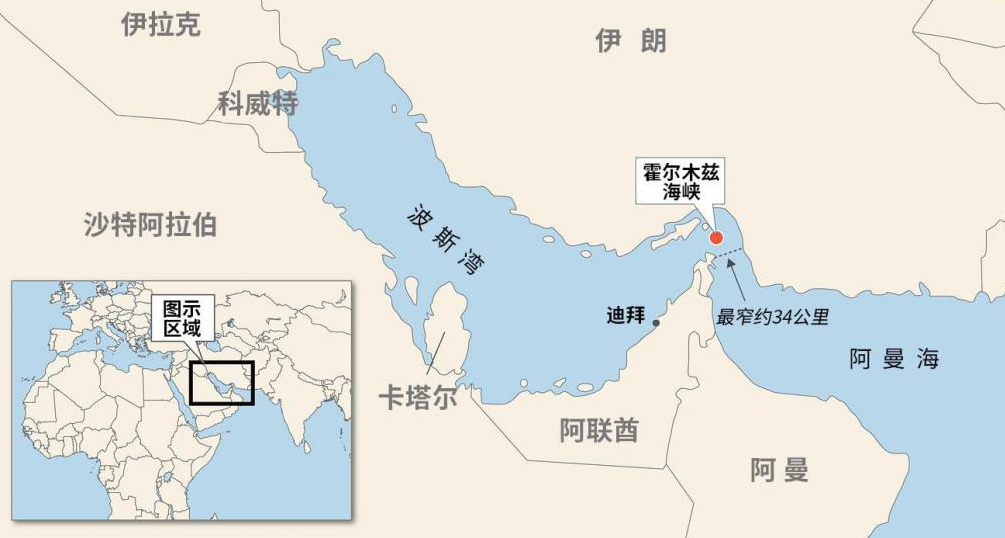
As the sole maritime outlet of the Persian Gulf, the Strait of Hormuz is one of the world’s most critical sea lanes for trade. It handles 25% of global seaborne crude oil, 19% of liquefied natural gas (LNG), 29% of liquefied petroleum gas (LPG), and 13% of chemical trade, with roughly 20 million barrels of crude oil passing through daily. Over 90% of oil and gas exports from Gulf oil-producing nations rely on this waterway. A prior report by the United Nations Conference on Trade and Development (UNCTAD) warned that prolonged blockages of the strait would quickly spread impacts across energy, logistics, agricultural inputs, and financing costs, exposing deep structural vulnerabilities in global supply chains stemming from over-reliance on a small number of critical transit routes.
The escalating crisis has already inflicted multiple direct shocks on global foreign trade.
In the energy trade sector, Brent crude has surged 27% since the outbreak of tensions, briefly approaching $100 per barrel; in an extreme scenario, prices could spike to $120–150 per barrel. LNG exports from Qatar and other producers have been disrupted, driving parallel jumps in natural gas and chemical feedstock prices in Asia and Europe. This has directly widened trade costs and deficits for energy-importing economies, while short-term gains have accrued to energy exporters such as the United States and Russia. The International Energy Agency (IEA) estimates that the conflict has already cut regional crude output by at least 10 million barrels per day, roughly one-tenth of global supply.
Chaos in shipping and logistics has been even more pronounced. Data shows only 77 vessels transited the Strait of Hormuz between March 1 and 13, a 94% year-on-year plunge, with large numbers of ships stranded in the Persian Gulf. To avoid risks, most vessels have been forced to reroute via the Cape of Good Hope in Africa, adding 3,500–4,000 nautical miles to journeys and extending sailing times by 10–14 days. These disruptions have triggered sharp spikes in freight and insurance costs:
●Daily charter rates for Very Large Crude Carriers (VLCCs) have soared from $50,000 to over $200,000, a surge of more than 300%;
●Container freight rates have risen 15%–20%, with single-container surcharges reaching $2,000–$4,000;
●War risk insurance premiums have jumped from 0.25% of a vessel’s value to 3%–10%, with single-voyage premiums topping $1 million in extreme cases.
Currently, approximately 2% of the world’s container fleet is stranded in the strait due to the crisis, and port turnaround efficiency has dropped by 50%.
Knock-on effects across supply chains are gradually unfolding. One-third of global fertilizer supplies and nearly 50% of urea exports pass through the Strait of Hormuz. Shipping disruptions have pushed fertilizer prices up 30%–40% during the spring planting season, feeding into grain trade markets, raising food prices, and exacerbating global food security risks. Manufacturing sectors dependent on Middle Eastern raw materials and components—including automotive, electronics, and textiles—have seen varying degrees of production cuts, with European manufacturing output falling by 30%. Further production contraction is expected to spread across industries within 2–3 weeks. Meanwhile, default rates for time-sensitive foreign trade orders have exceeded 30%, while order attrition rates for small and medium-sized foreign trade enterprises have surpassed 40%, intensifying pressure on cash flow.
Impacts on foreign trade stakeholders vary significantly:
●Energy, chemical, and fertilizer traders face the most direct exposure to price volatility and contractual risks, with severe strain on inventories and cash flow;
●Manufacturers endure a dual squeeze from raw material shortages and soaring freight costs, continuously compressing profit margins;
●Cross-border e-commerce operators and small and medium-sized foreign trade firms face acute survival pressures due to high freight cost ratios;
●Shipping and freight forwarding businesses benefit temporarily from rising rates but confront extreme security risks and long-term capacity misalignment.
Industry experts advise foreign trade enterprises to adopt a phased response to the current situation.
In the short term, companies should prioritize vessel owners from non-hostile nations, apply for safe passage permits from Iran, evaluate the cost and timeline of Cape of Good Hope rerouting, and proactively communicate delivery delays with clients. They should also lock in forward freight and oil prices, secure adequate war risk and cargo insurance, renegotiate trade terms, and build safety stocks to safeguard core customer demand.
In the long term, businesses must accelerate supply chain diversification, reduce reliance on single-source supplies from the Middle East, expand alternative channels in the Americas, Africa, Southeast Asia, and other regions, develop geopolitical risk assessment models, and establish multiple contingency logistics plans.
Notably, Iran has clarified that the Strait of Hormuz is not fully closed, and vessels from non-hostile nations may transit safely in compliance with relevant regulations and after coordinating with Iranian authorities. Tehran holds the United States and Israel responsible for security turmoil in the strait. However, with the US ultimatum deadline approaching, sharp divisions persist between US and Iranian positions, raising the likelihood of further conflict escalation. A full closure of the strait would likely push global trade costs up an additional 30%–50%, ushering global foreign trade into a new normal of "high costs, low efficiency, and high risks." Continued monitoring of subsequent developments remains essential.