Direct devolatilization in a closed system
In the polymer chemical process, the direct devolatilization technology can significantly reduce the costs associated with energy, cooling and water consumption, while shortening the necessary processing time for elastomers and reducing the floor space occupied by equipment.
Solution polymerization and emulsion polymerization of elastomers are the conventional methods for elastomer synthesis. In the final step of polymer production, the polymer is separated from the solvent or emulsifier. This process often involves the evaporation of viscous materials.
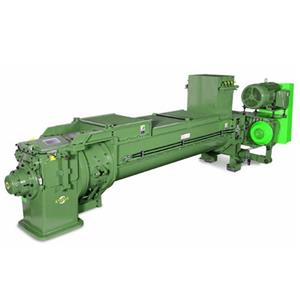
The process of directly removing volatile components during the processing of elastomers is a completely closed and continuous process. The use of a dual-axis (single-axis) self-cleaning equipment enables the direct separation and simultaneous recovery of the solvents in the elastomers.Therefore, it eliminates all intermediate steps such as mechanical dehydration and drying. Compared with traditional processing methods, direct removal of volatile components can produce the same high-quality and compliant elastomers. The direct volatile removal technology is used for processing high-viscosity elastomers, avoiding overheating or degradation phenomena.
The self-cleaning function of the dual-axis (single-axis) self-cleaning equipment ensures the renewal of the heat exchange surface, thereby obtaining high-quality products with low volatile matter content. The outstanding performance of the direct volatilization process lies in the fact that this technology consumes much less energy than traditional processing methods. It can achieve 99% solvent separation without any additional additives. The direct removal of volatiles has realized zero wastewater discharge and eliminated the need for waste gas treatment.